
Why Commercial Space Owners Should Consider Brand Leasing
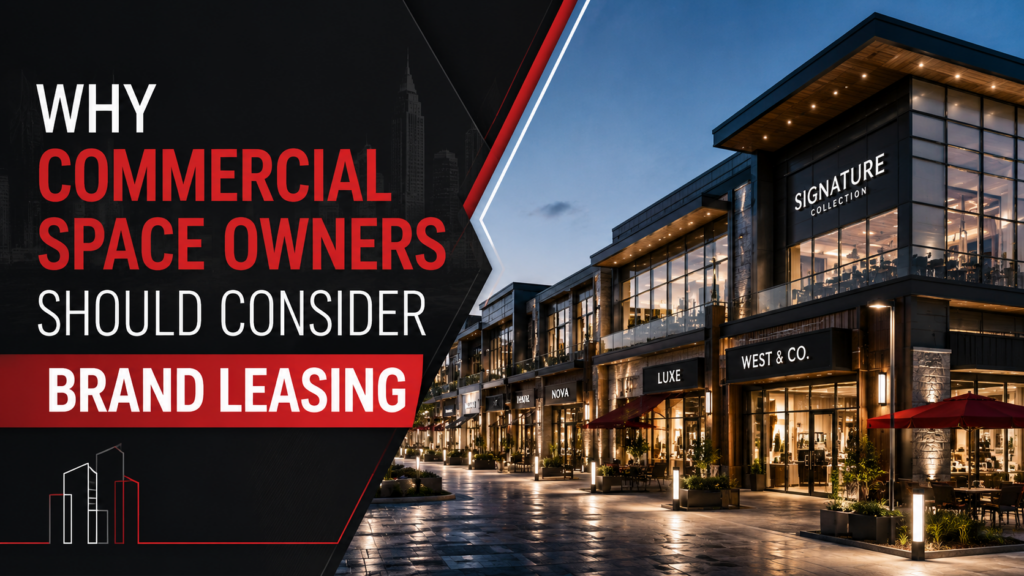
Owning a commercial property is a valuable asset, but generating consistent returns from that property requires the right leasing strategy. In today’s competitive real estate market, simply having a commercial space is not enough. Property owners, builders, developers, mall owners, food court owners, and high-street commercial space owners need strong tenants who can attract customers, maintain the space professionally, and create long-term rental or revenue potential.
This is where brand leasing becomes an important opportunity.
Brand leasing allows commercial space owners to lease their property to established or growing brands such as restaurants, cafés, QSR brands, retail stores, salons, gyms, fashion outlets, jewellery stores, supermarkets, sweet shops, bakeries, and lifestyle businesses. Instead of renting to an unknown tenant, property owners can work with structured brands that bring better visibility, organised operations, and stronger market confidence.
What Is Brand Leasing?
Brand leasing is the process of connecting commercial properties with suitable national, regional, or international brands. These brands may operate in categories such as food and beverage, fashion, fitness, hospitality, retail, beauty, wellness, jewellery, lifestyle, or service-based businesses.
In simple words, brand leasing means using your commercial space as a business location for a recognised or professionally structured brand.
For example, a commercial property owner may lease space to:
- A QSR or fast-food brand
- A café or bakery brand
- A sweet shop or restaurant
- A gym or fitness studio
- A salon or wellness brand
- A fashion or apparel store
- A jewellery or lifestyle retail brand
- A supermarket or grocery brand
- A hotel, food court, or hospitality concept
The main advantage is that a brand tenant can improve the value, activity, and market appeal of the commercial property.
Why Brand Leasing Is Better Than Random Leasing
Many commercial property owners lease their spaces to tenants without evaluating the long-term potential of the tenant’s business. This can lead to frequent vacancy, delayed payments, poor maintenance, weak footfall, and limited property value growth.
Brand leasing is different because it focuses on matching the right brand with the right property, location, area, frontage, catchment, and business model.
A good brand tenant does not just occupy the space. It helps activate the location.
When a known or well-positioned brand enters a commercial project, it can attract customers, improve the visibility of the property, and build confidence among other investors, tenants, and buyers.
Key Benefits of Brand Leasing for Commercial Space Owners
1. Better Footfall and Customer Movement
One of the biggest benefits of brand leasing is improved footfall. Strong brands naturally attract customers because people recognise them, trust them, or are curious to experience them.
Food brands, cafés, bakeries, sweet shops, supermarkets, gyms, salons, and retail outlets can bring daily or weekly customer movement to a commercial location. This is especially useful for malls, high streets, food courts, commercial complexes, mixed-use projects, and highway properties.
When one good brand enters a project, it can also help attract other brands and tenants.
2. Long-Term Rental Stability
Reputed brands usually prefer stable locations and long-term business planning. This can help commercial property owners reduce the risk of frequent tenant changes.
A strong lease with a structured brand can provide better rental stability, predictable income, and improved long-term planning. For builders and developers, brand leasing can also help position a project as active, reliable, and investment-worthy.
3. Stronger Property Value
A commercial property with reputed brands is usually more attractive than an empty or randomly leased property. Branded tenants can improve the perceived value of the space.
For commercial projects, the right brand mix can increase buyer confidence. Investors often feel more secure when they see known brands operating inside a project. This is why pre-leased commercial spaces and brand-backed leasing models are becoming more popular.
A property with the right brands can become more than just a building. It can become a commercial destination.
4. Better Market Positioning
Every commercial property needs a clear identity. Is it a food destination? A lifestyle retail zone? A premium high-street market? A fitness and wellness hub? A family shopping complex? A highway food stop?
Brand leasing helps define that identity.
When the right category mix is planned, the property becomes more organised and marketable. For example, a commercial project may include:
- A café or bakery for daily footfall
- A restaurant for family dining
- A gym for regular membership-based visits
- A fashion store for lifestyle appeal
- A salon or wellness brand for repeat customers
- A supermarket or grocery outlet for daily needs
This type of planning creates a stronger commercial ecosystem.
5. Better Tenant Quality
A major concern for property owners is tenant reliability. Unknown tenants may lack financial stability, business planning, operational discipline, or long-term commitment.
Brands usually work with defined systems, business models, operational standards, and customer service processes. This can help maintain the professional image of the commercial property.
A professionally managed tenant is more likely to maintain signage, interiors, customer experience, hygiene, operations, and brand standards.
6. Improved Project Appeal for Builders and Developers
For builders and commercial developers, brand leasing can be a powerful sales and marketing tool.
When buyers see that a commercial project has brand tie-ups or leasing potential with reputed businesses, they may feel more confident about investing. A project with strong brands looks more active, more credible, and more future-ready.
Brand leasing can help developers with:
- Pre-leased commercial property planning
- Retail mix strategy
- Food court planning
- Anchor tenant positioning
- High-street activation
- Investor confidence building
- Better commercial project visibility
7. Higher Potential for Revenue Share Models
In some cases, commercial space owners may explore fixed rent, minimum guarantee, revenue share, or hybrid leasing models. These structures depend on the brand, location, business category, and final commercial terms.
For high-potential locations, revenue share models can become attractive because the property owner participates in the business performance of the brand. However, these models should be carefully structured with proper agreements, reporting systems, and financial clarity.
8. Reduced Vacancy Risk
Vacancy is one of the biggest challenges in commercial real estate. An empty space not only stops rental income but also affects the overall look and energy of the property.
Brand leasing can help reduce vacancy risk by positioning the property for suitable business categories. Instead of waiting for any tenant, the owner can target brands that fit the location and customer catchment.
For example:
- A highway property may be suitable for restaurants, QSRs, cafés, or food plazas.
- A residential catchment may be suitable for supermarkets, bakeries, salons, gyms, or daily need brands.
- A premium high-street property may be suitable for fashion, jewellery, cafés, wellness, or lifestyle brands.
- A mall or food court may be suitable for QSRs, desserts, beverages, and fast-casual dining.
Types of Brands Commercial Space Owners Can Lease To
Commercial property owners can explore brand leasing opportunities across many categories, including:
- Food and beverage brands
- QSR and fast-food brands
- Cafés and bakeries
- Sweet shops and snack brands
- Restaurants and casual dining brands
- Clothing and fashion brands
- Jewellery brands
- Gym and fitness brands
- Salon and beauty brands
- Wellness and lifestyle brands
- Hotel and hospitality brands
- Retail and supermarket brands
- Entertainment and kids activity brands
The right category depends on the location, space size, frontage, parking, nearby audience, rental expectation, and long-term commercial potential.
What Commercial Space Owners Should Check Before Leasing to a Brand
Before leasing your commercial space to any brand, you should evaluate a few important factors:
- Is the location suitable for the brand category?
- Does the space have proper visibility and access?
- Is parking available?
- What is the required area and frontage?
- What is the expected rental or revenue model?
- Is the brand financially and operationally capable?
- What is the lease tenure and lock-in period?
- Who will handle interiors and setup?
- What signage rights are required?
- Are approvals, licenses, and compliance responsibilities clear?
- Is the agreement professionally structured?
A well-planned leasing decision can protect both the property owner and the brand.
Why Location-Brand Fit Matters
Not every brand is suitable for every location. The success of brand leasing depends on matching the right brand with the right commercial space.
For example, a premium café may need a high-street or lifestyle location, while a QSR may work well in a food court, market, college area, or highway property. A gym may need a larger area and accessible parking, while a jewellery store may require premium positioning and strong customer trust.
This is why brand leasing should not be random. It should be strategic.
How Horizon Brands India Helps Commercial Space Owners
Horizon Brands India works as a strategic bridge between commercial space owners, builders, developers, investors, and brands.
We help commercial property owners explore suitable brand leasing opportunities by understanding the property location, area, category fit, investment potential, and business model. Our focus is to connect the right brand with the right commercial space.
Horizon Brands India supports:
- Commercial space leasing to brands
- Brand-led leasing strategy
- Builder and developer partnerships
- Retail mix planning
- Food court and high-street activation
- Pre-leased commercial property positioning
- Franchise and brand expansion connections
- FOFO, FOCO, and FICO model opportunities
Whether you own a high-street shop, food court space, mall unit, highway property, commercial complex, or mixed-use project, brand leasing can help unlock stronger business potential.
Conclusion
Commercial space owners should consider brand leasing because it can create stronger visibility, better footfall, long-term rental potential, improved property value, and better market positioning.
In today’s market, the right tenant is not just someone who pays rent. The right tenant is someone who activates the space, attracts customers, builds credibility, and strengthens the commercial ecosystem.
Brand leasing gives property owners and builders a more strategic way to use commercial real estate.
If you are a commercial space owner, builder, or developer looking to lease your property to suitable brands, Horizon Brands India can help you explore the right opportunities.